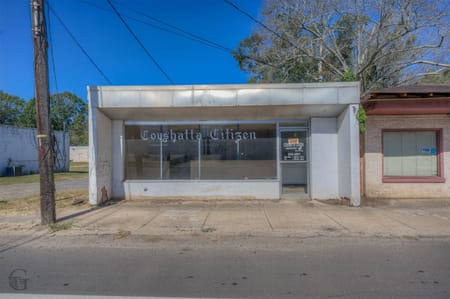
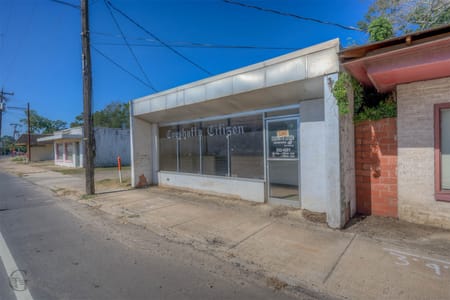
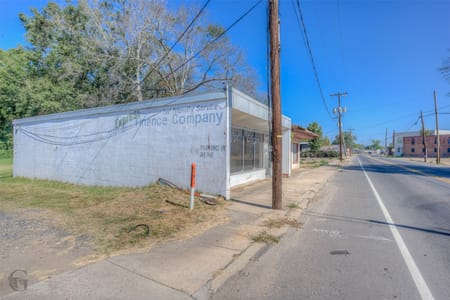
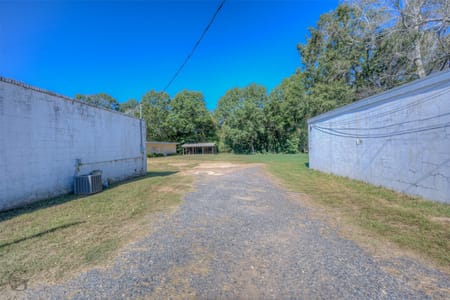
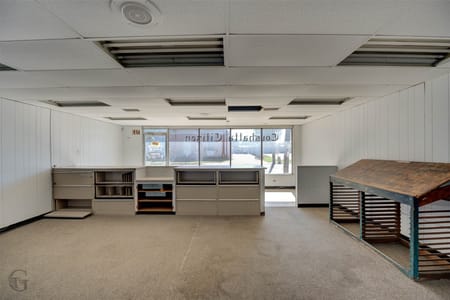
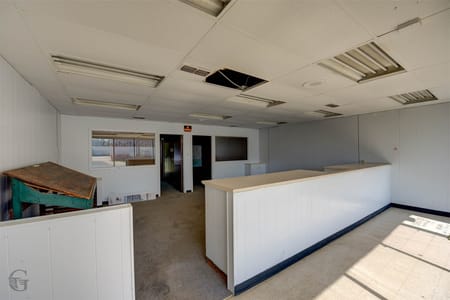
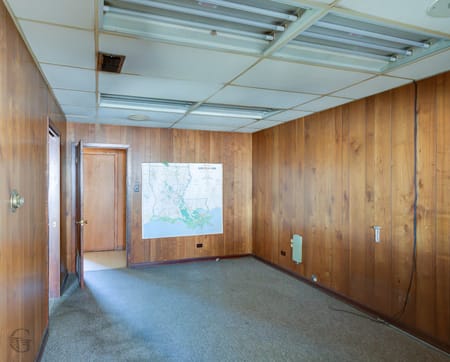
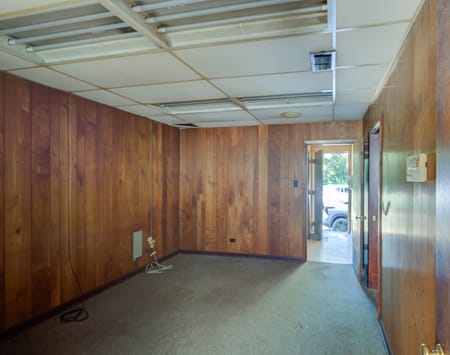

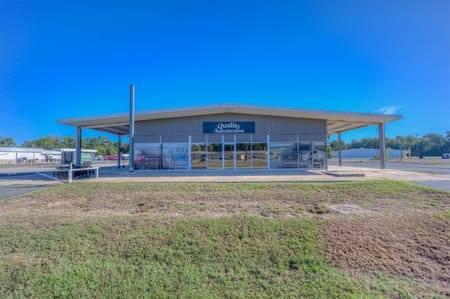
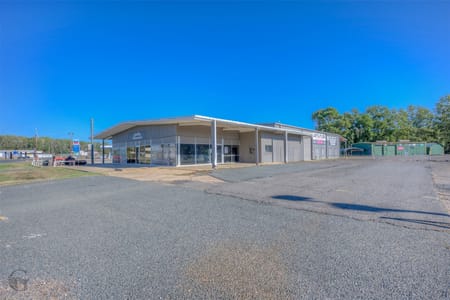
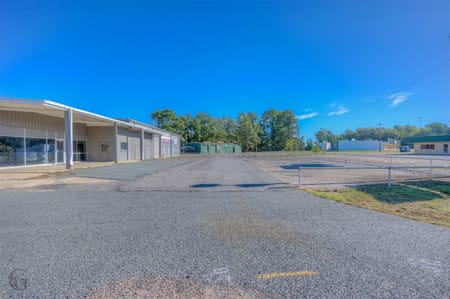
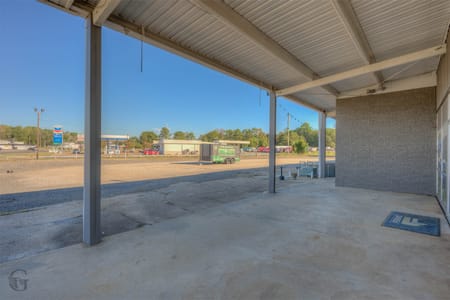
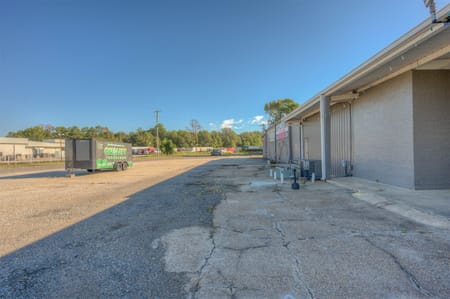
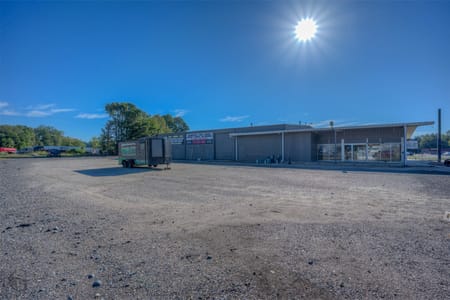
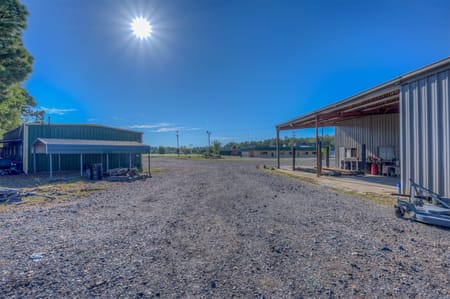
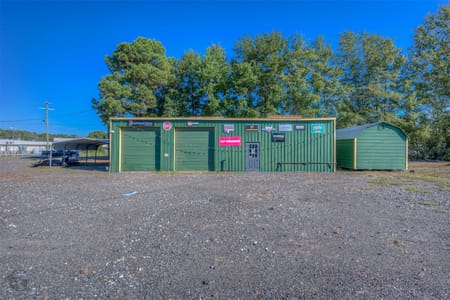
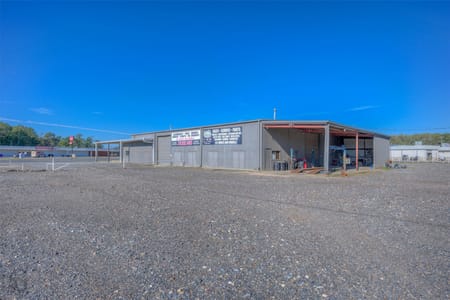
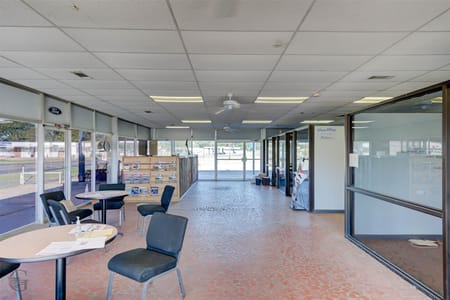

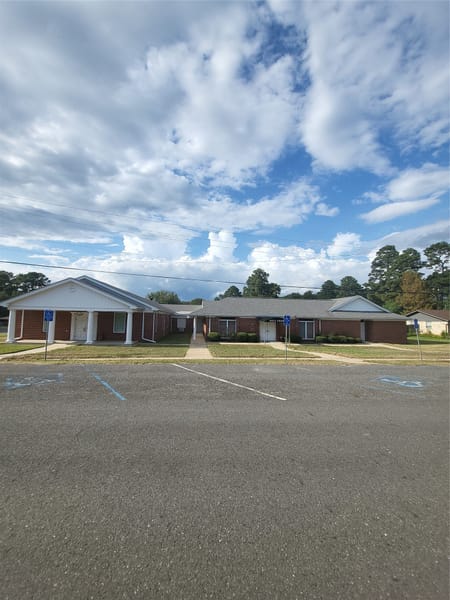
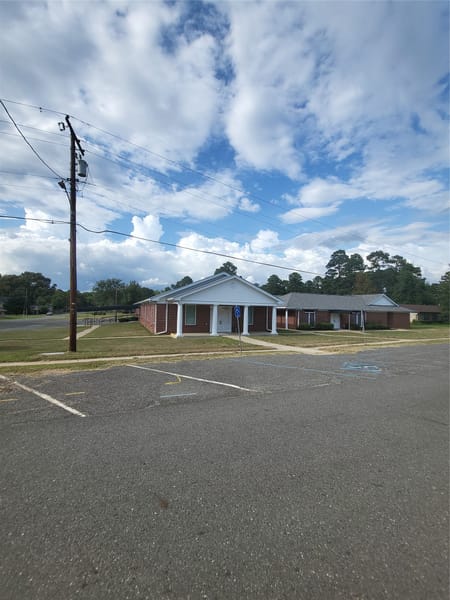
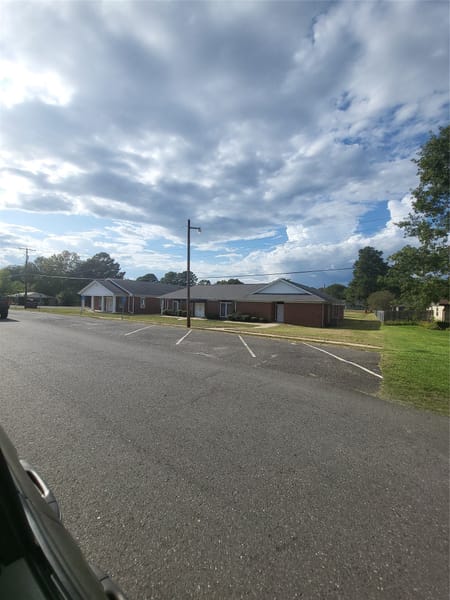
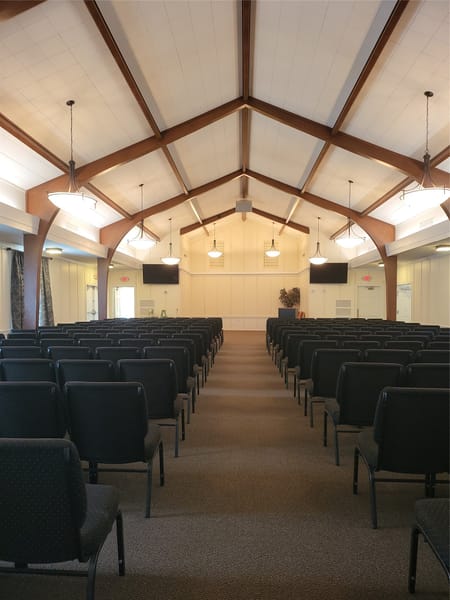
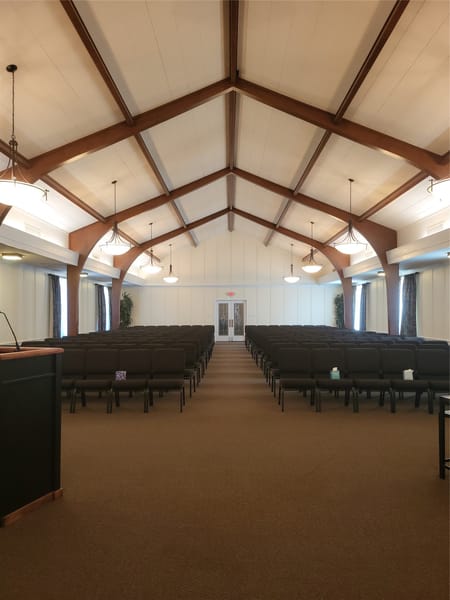
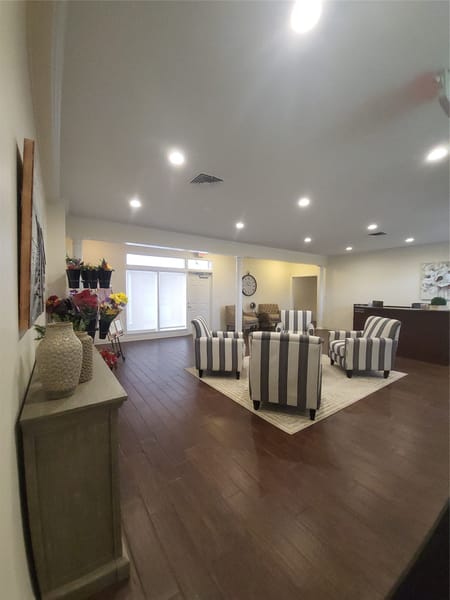
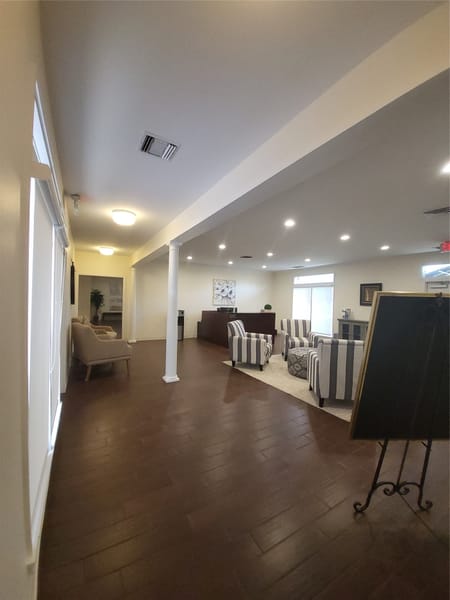
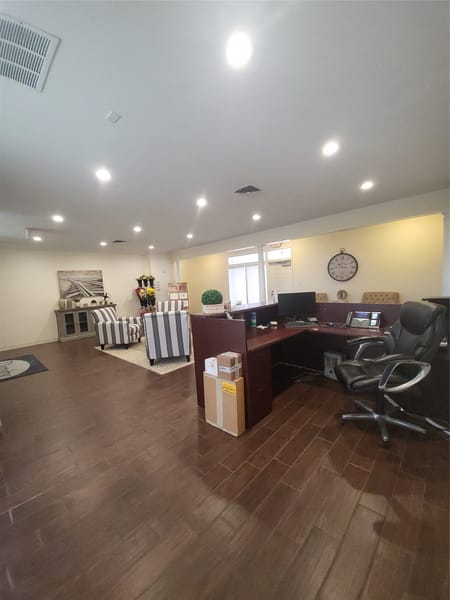
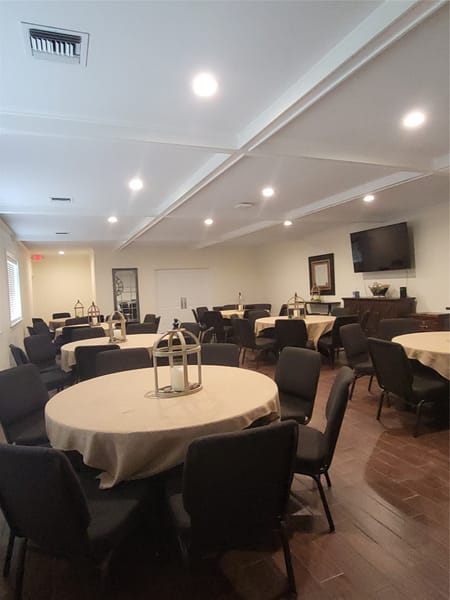
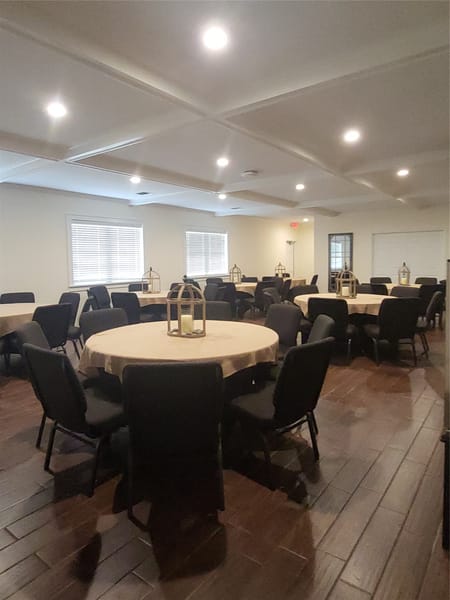
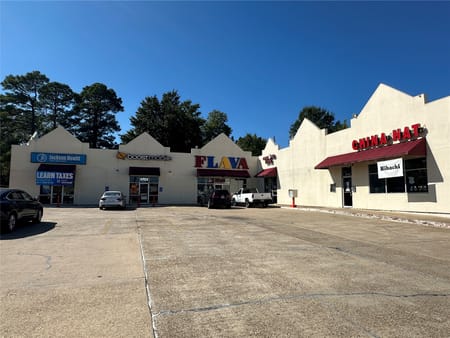
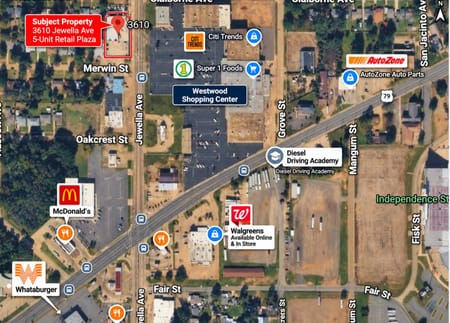
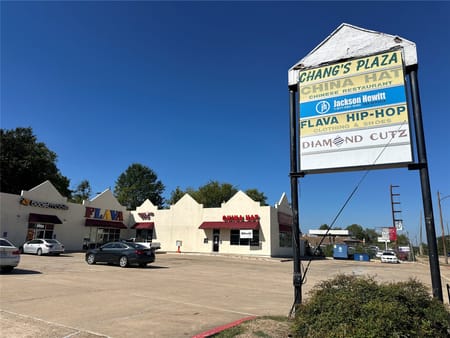
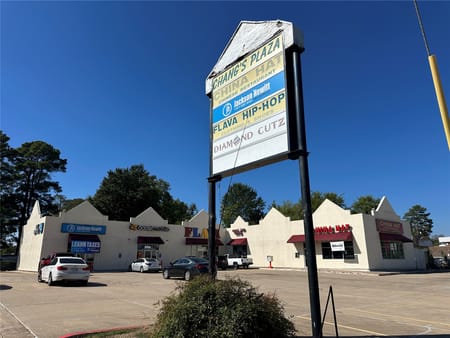
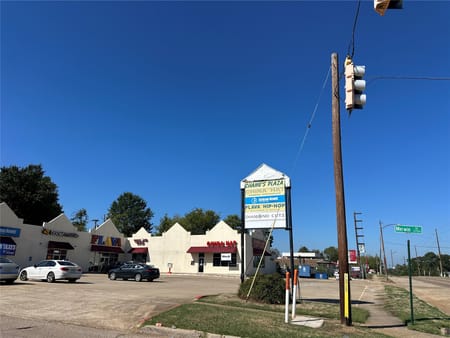
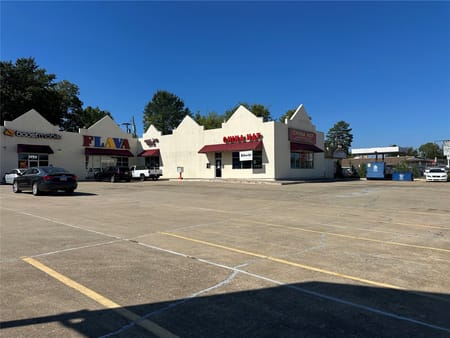
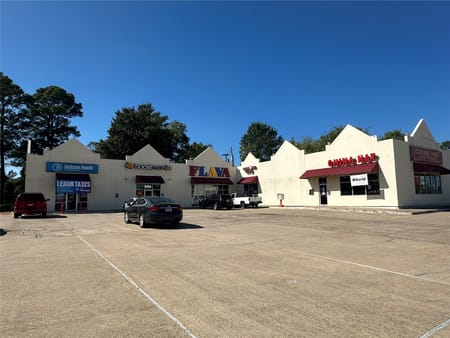
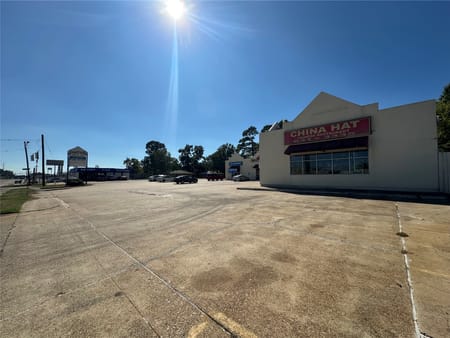
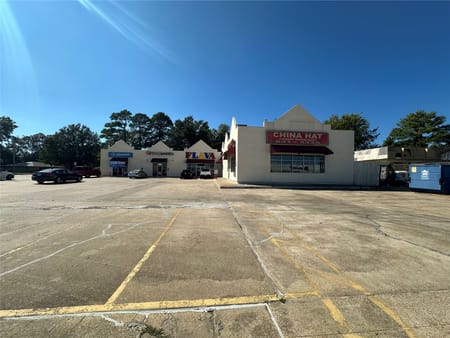
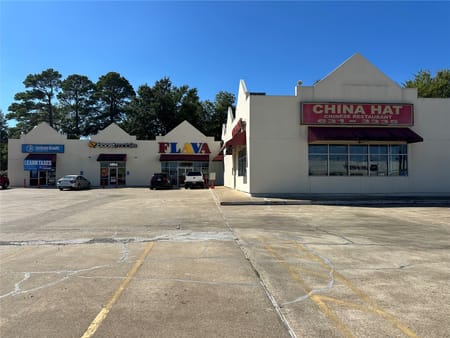
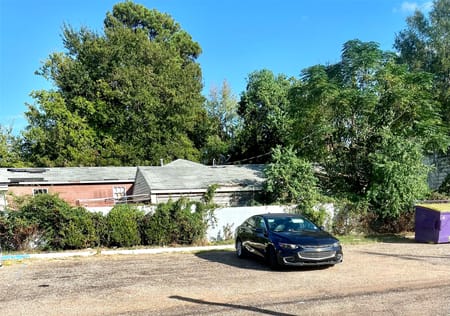
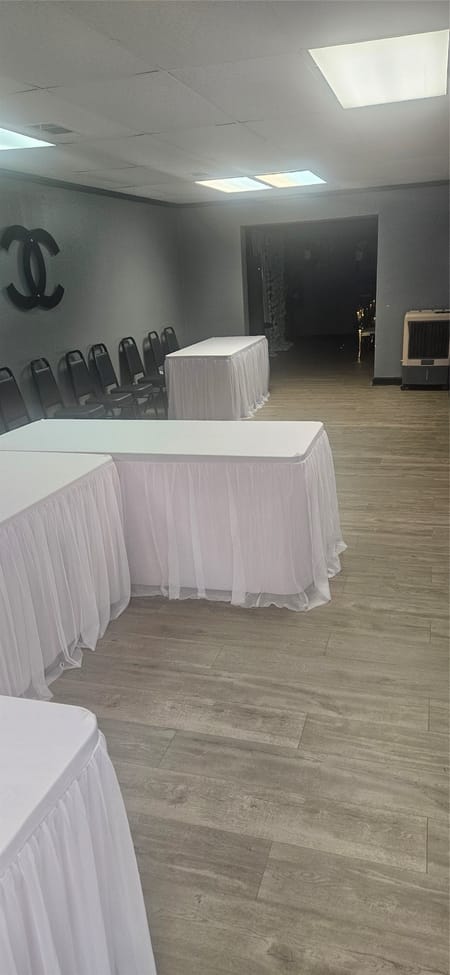
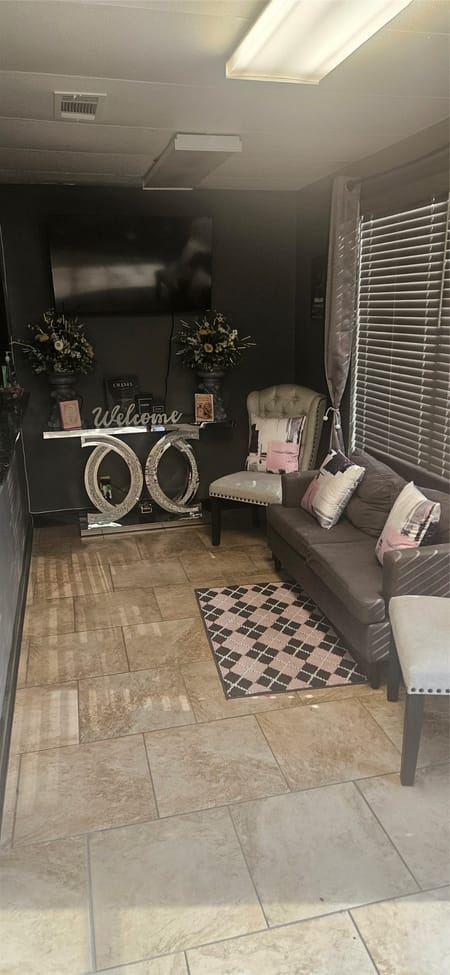
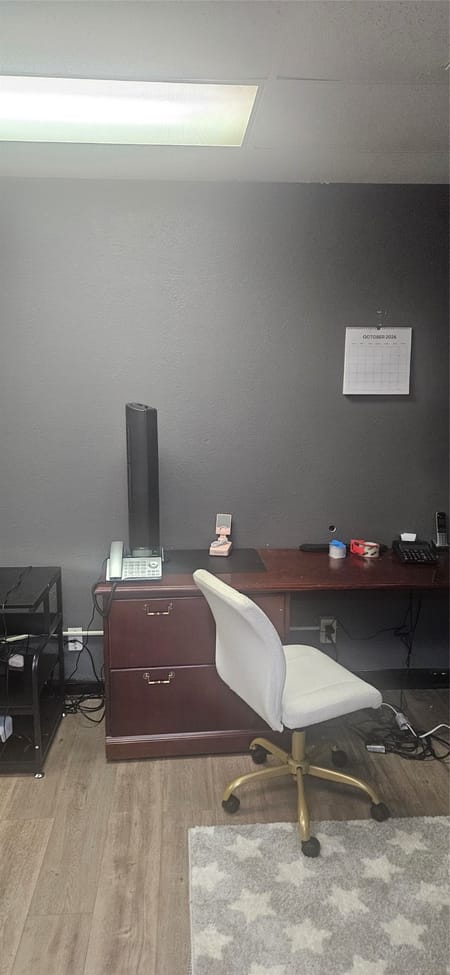
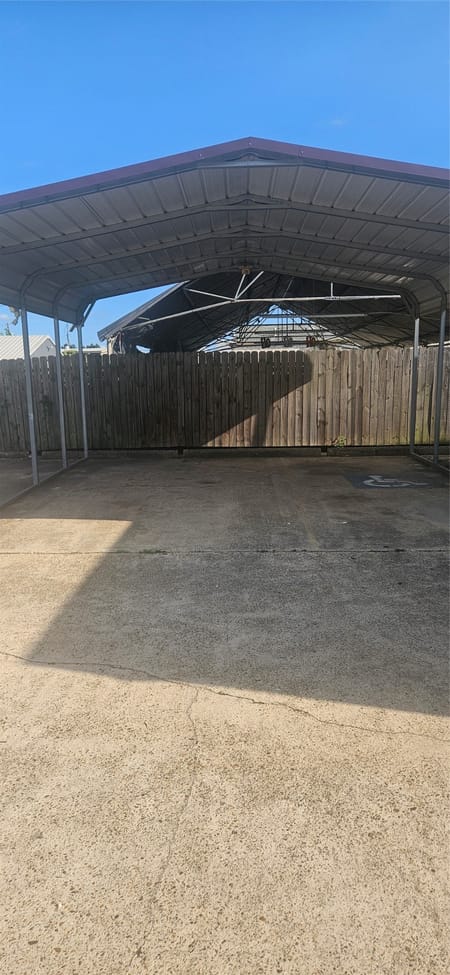
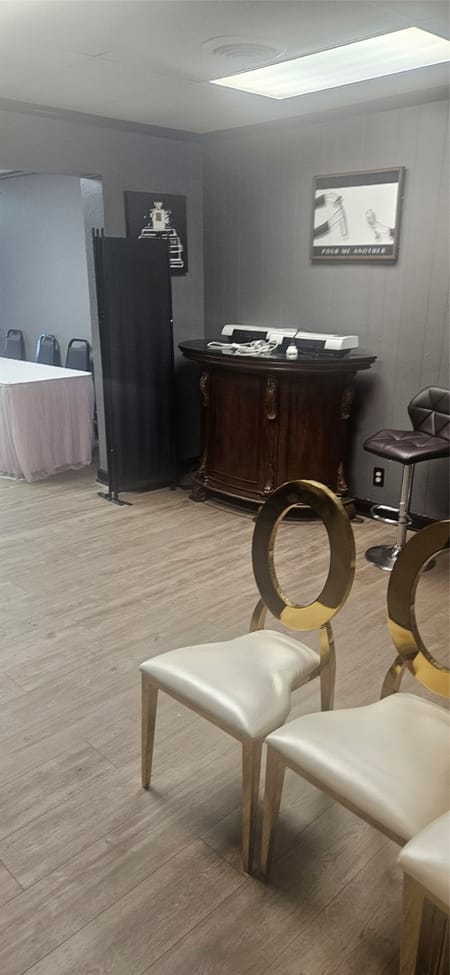
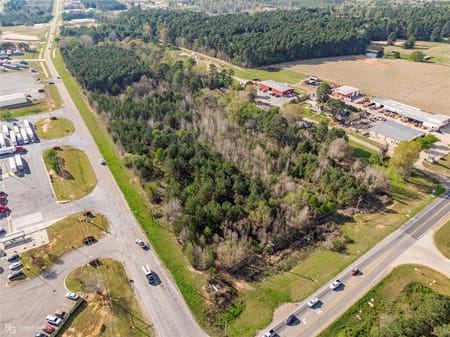
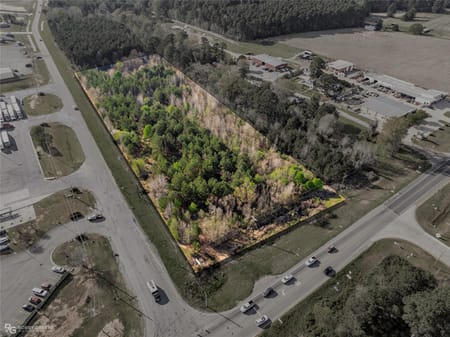
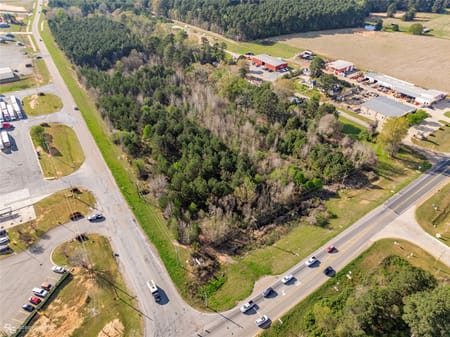
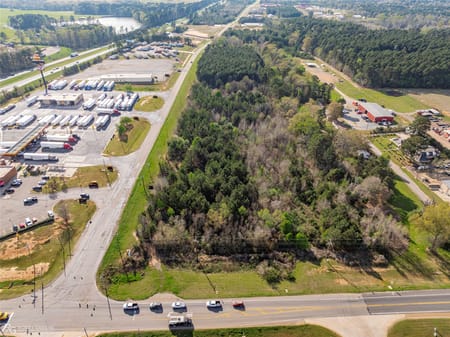
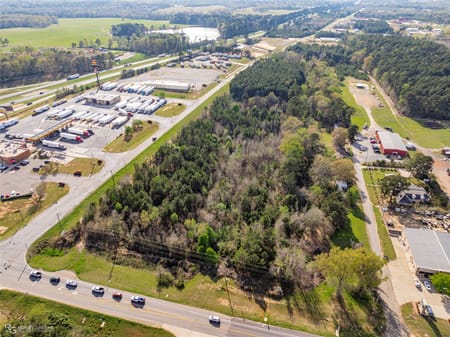
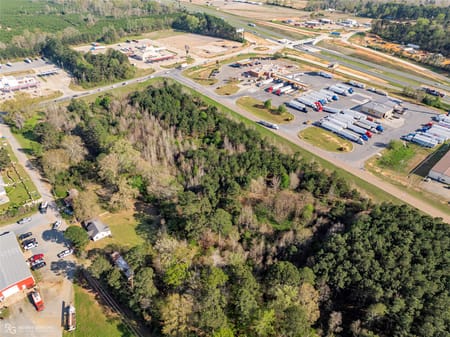
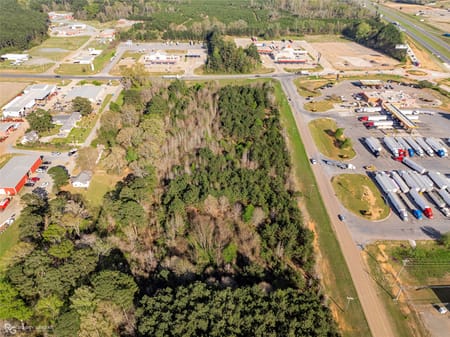
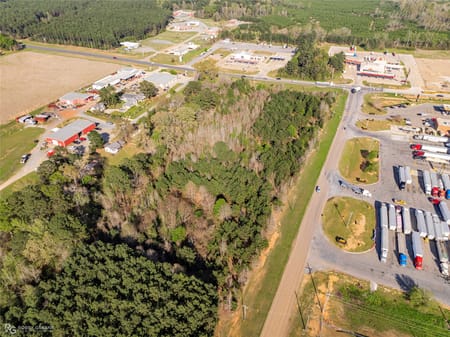
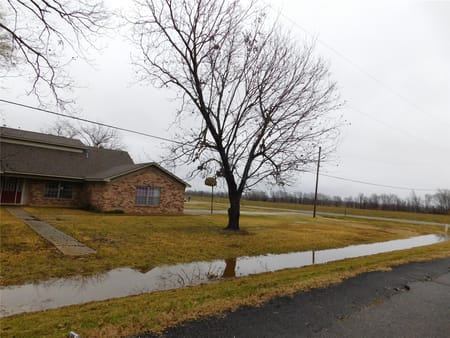
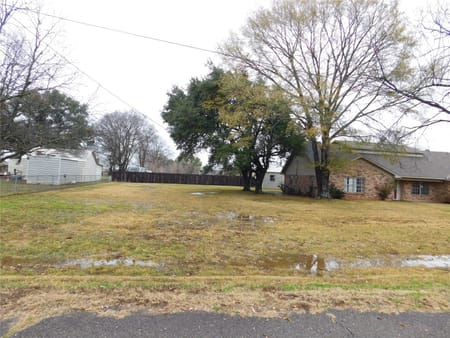
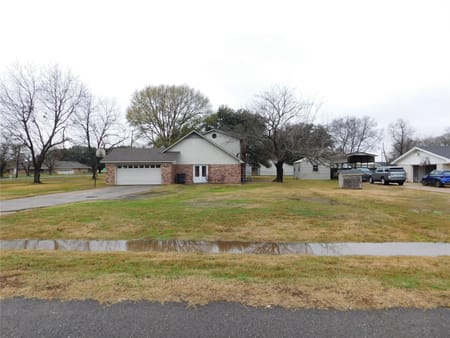
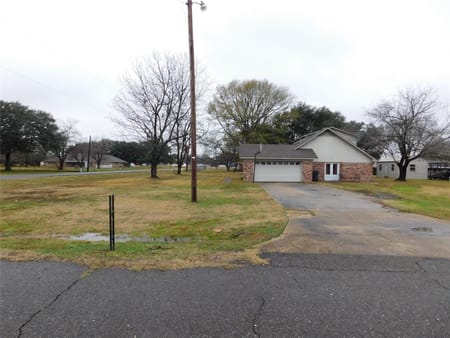
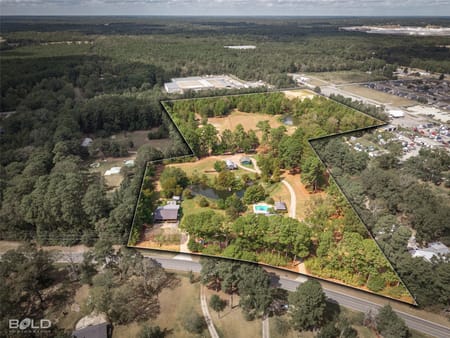
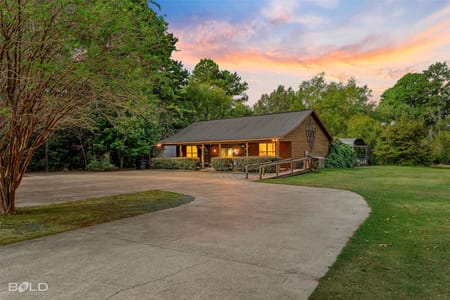
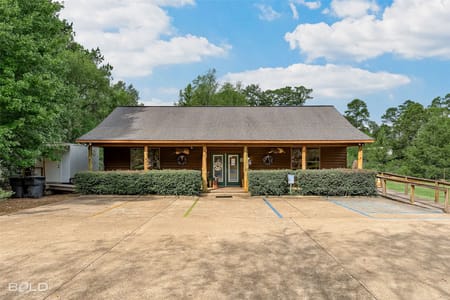
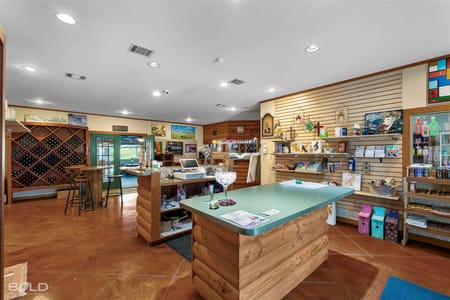
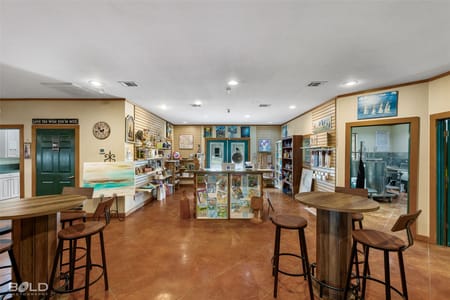
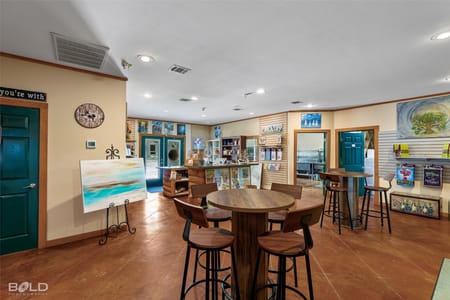
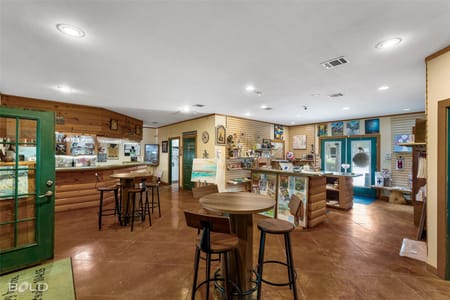
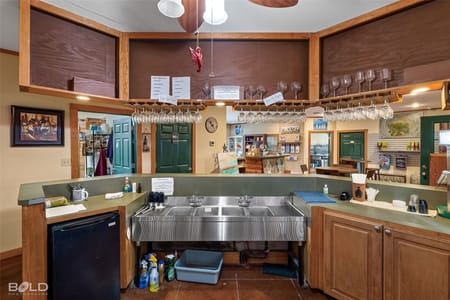
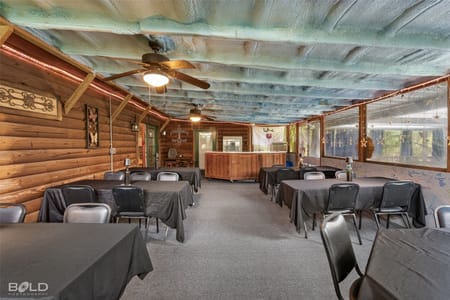
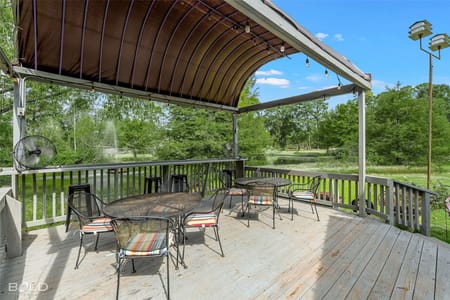
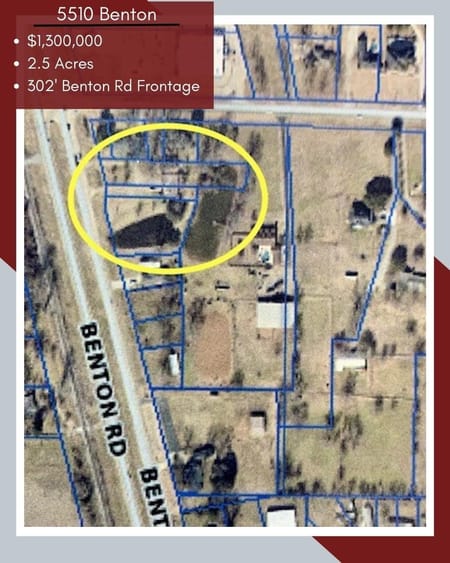
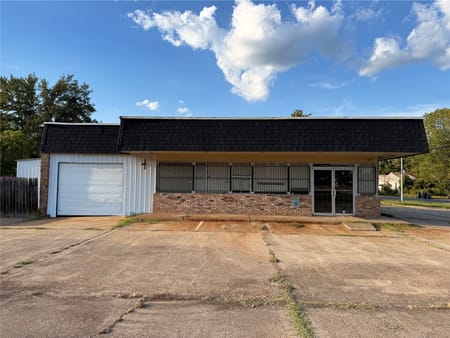
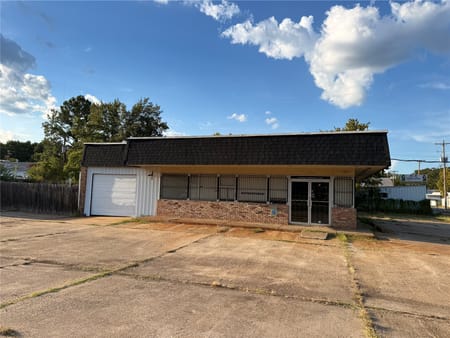
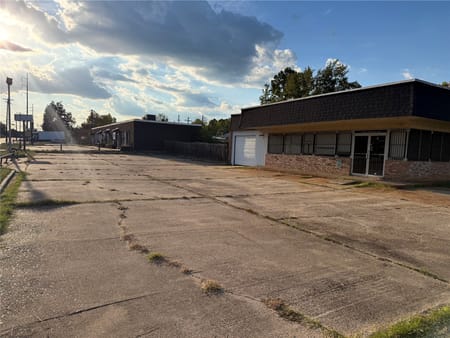
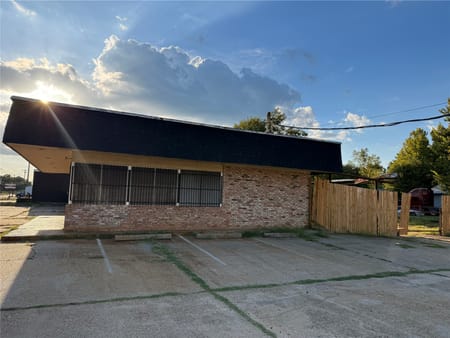
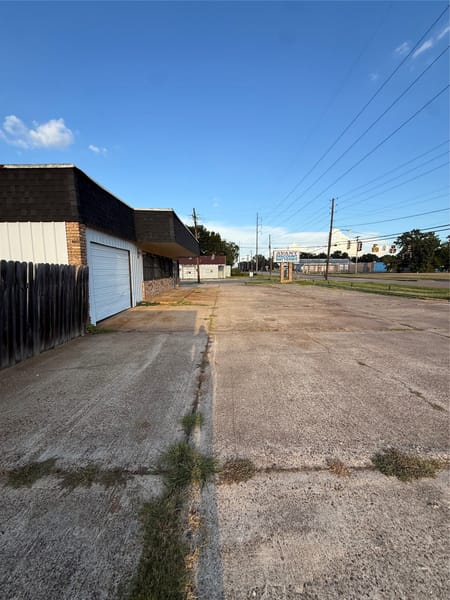
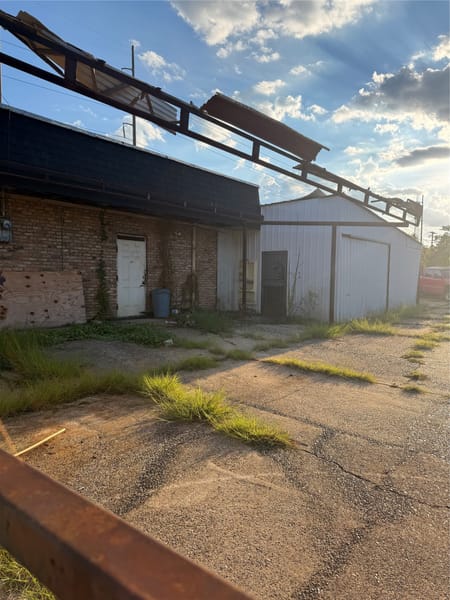
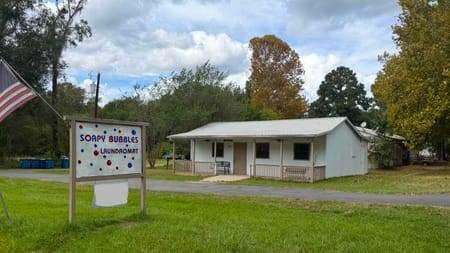
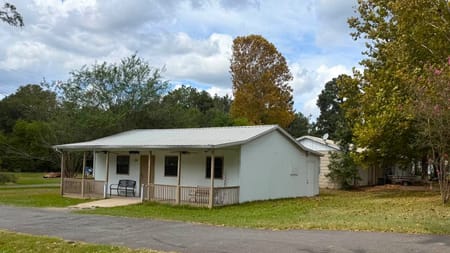
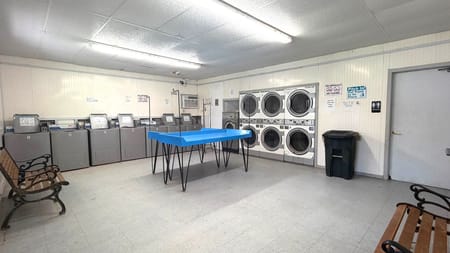
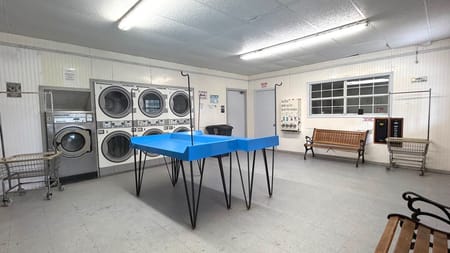
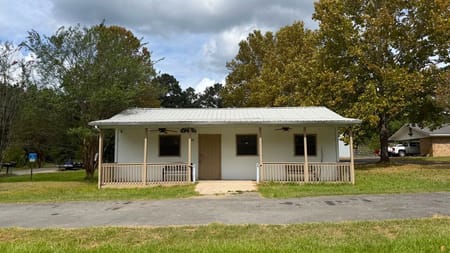
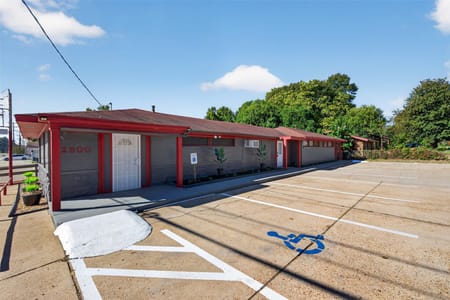
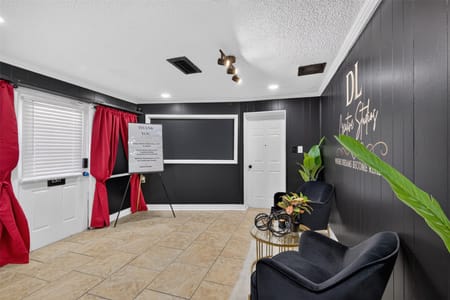
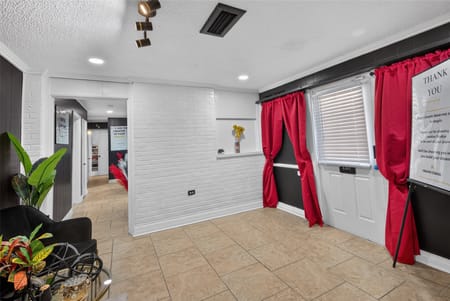
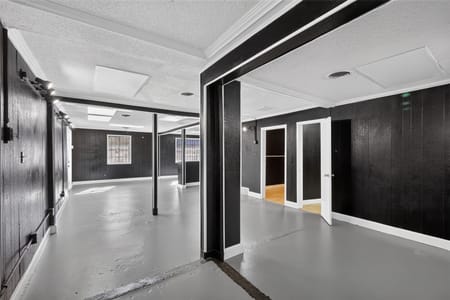
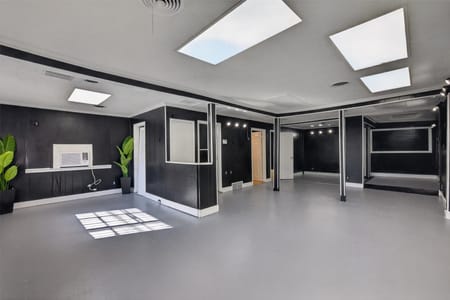
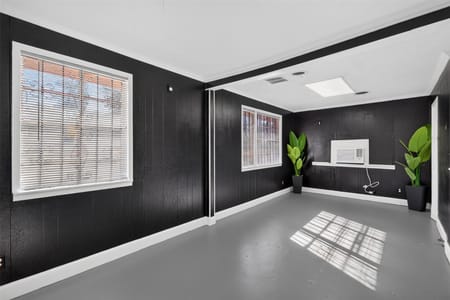
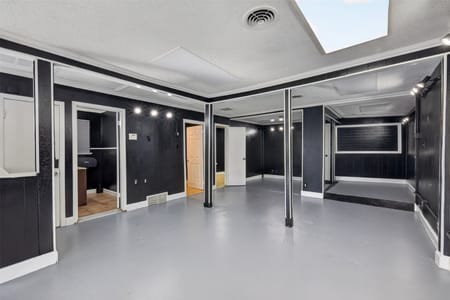
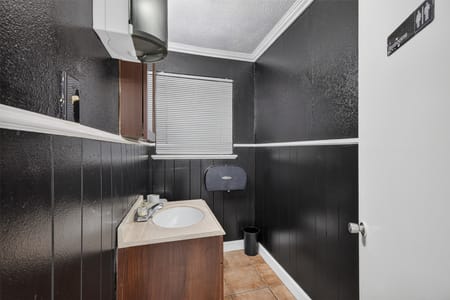
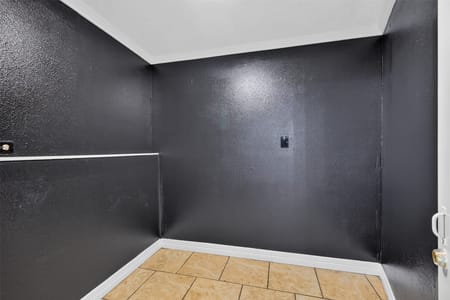
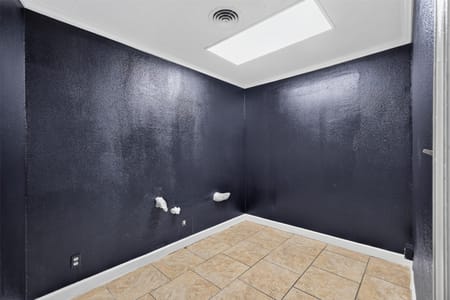
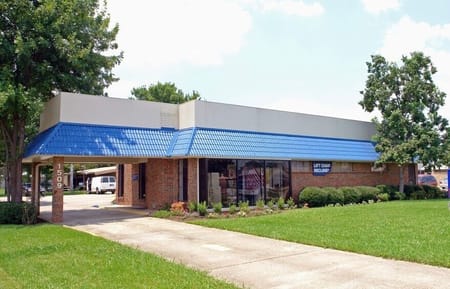
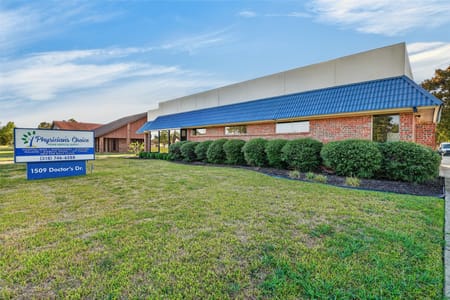
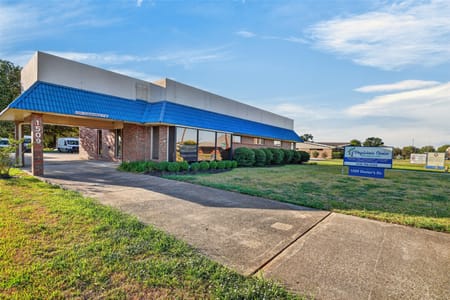
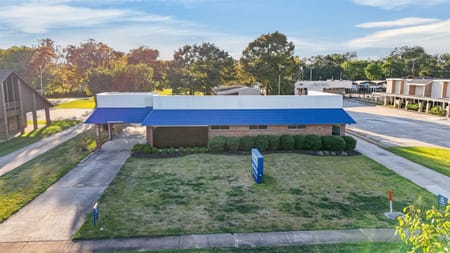
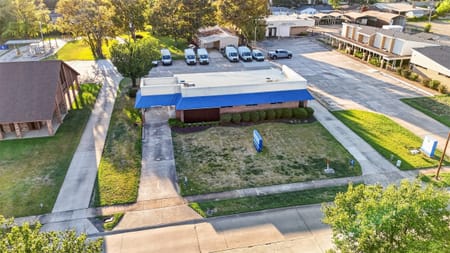
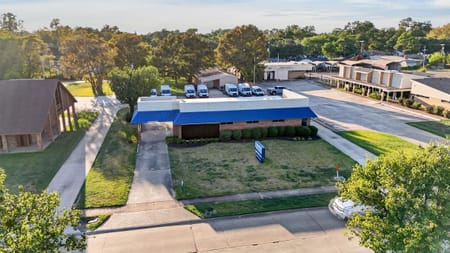
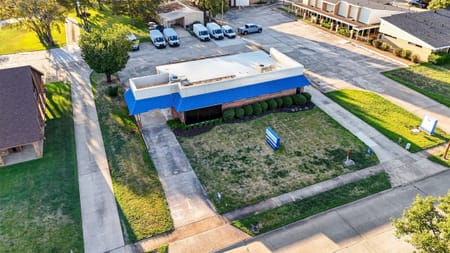
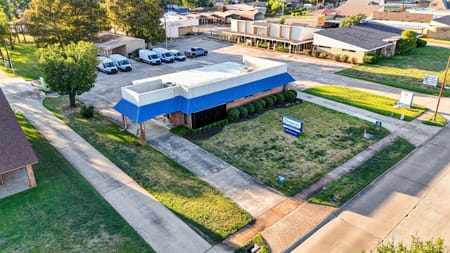
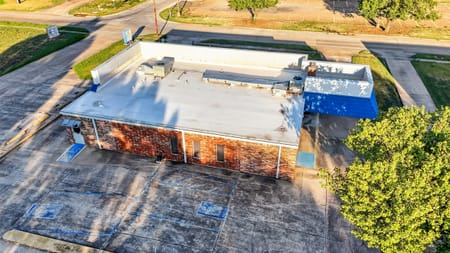
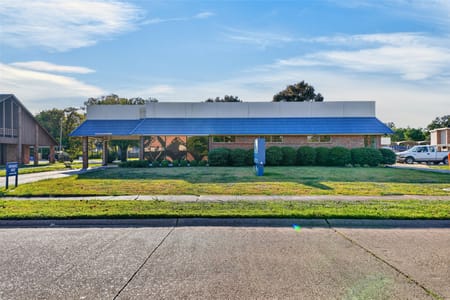
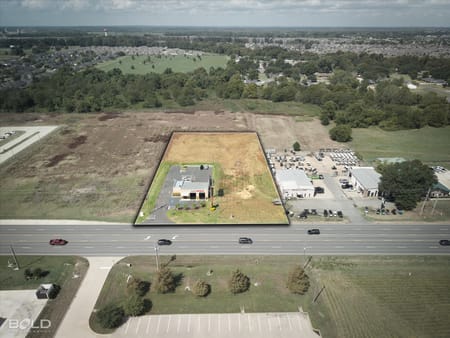
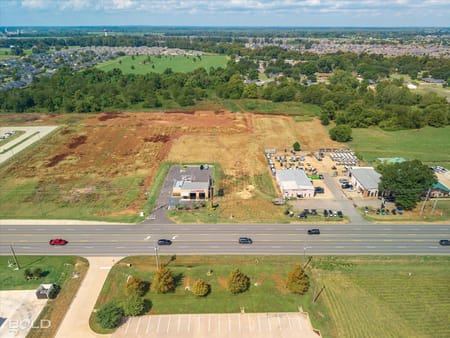
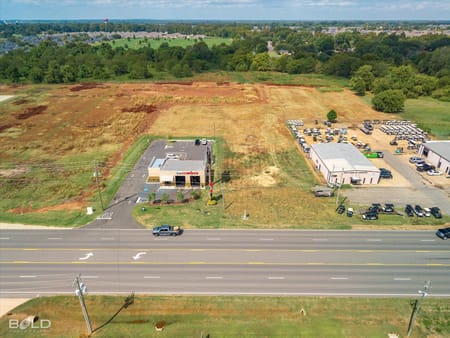
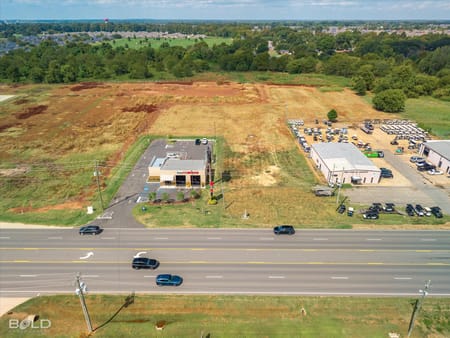
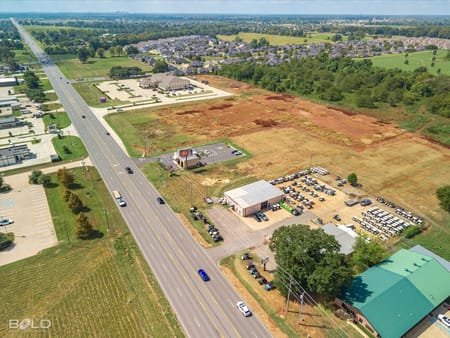
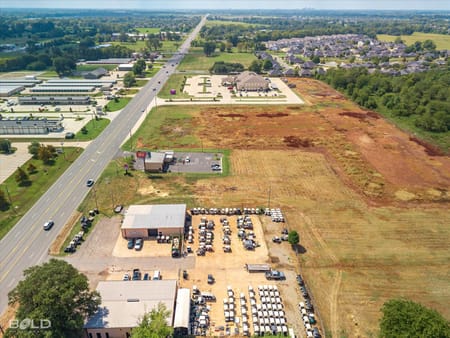
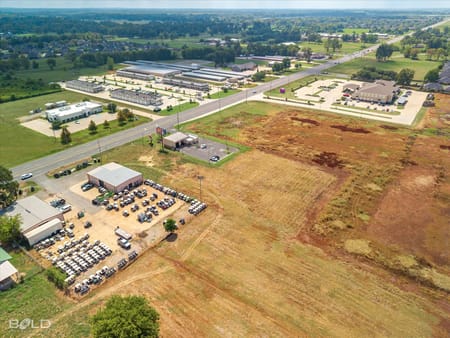
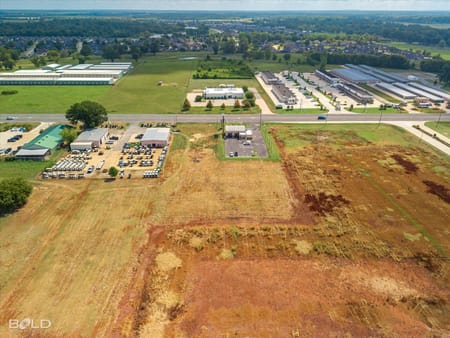
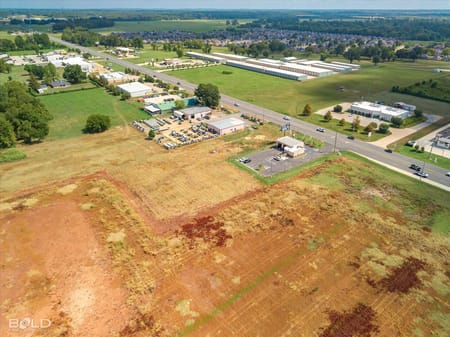
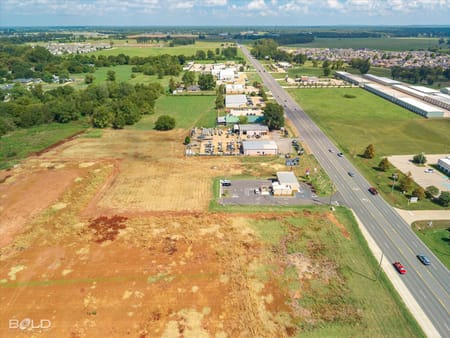
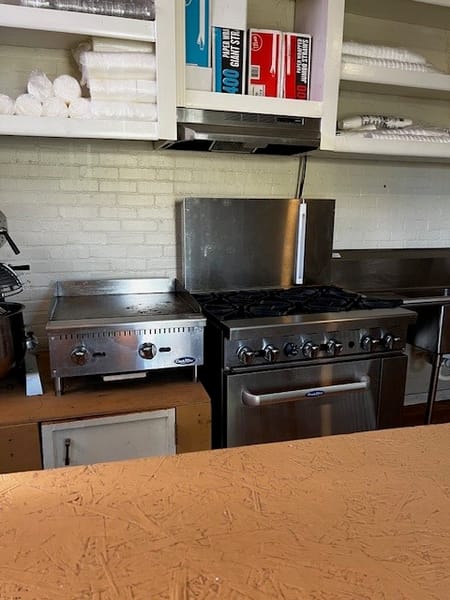
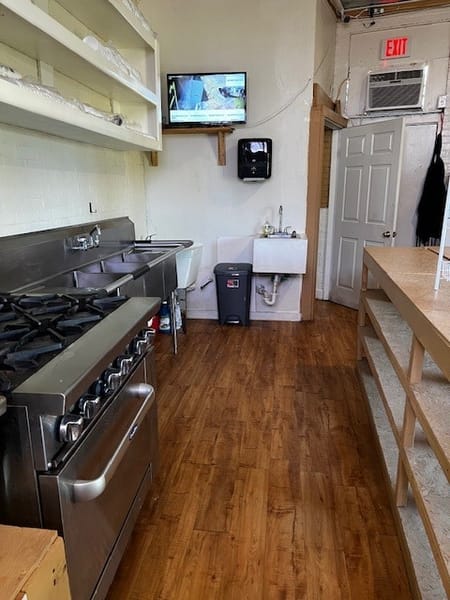
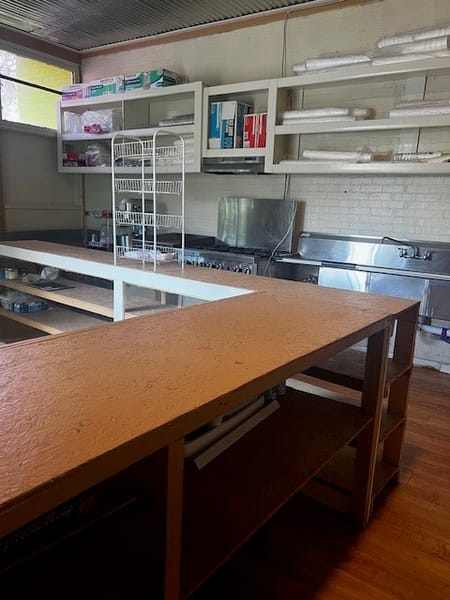
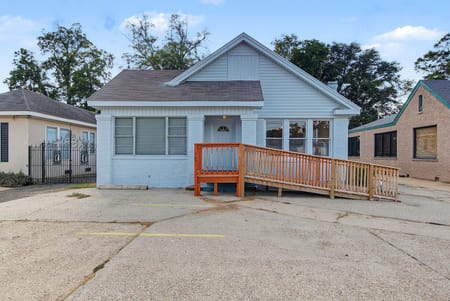
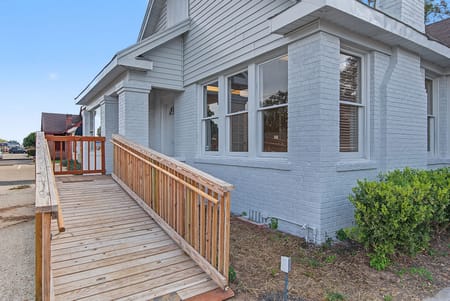
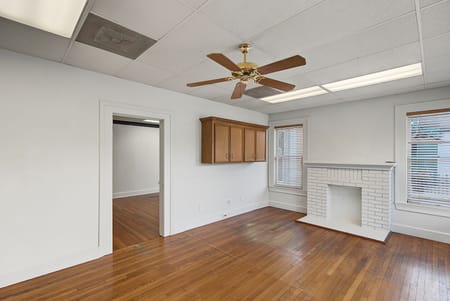
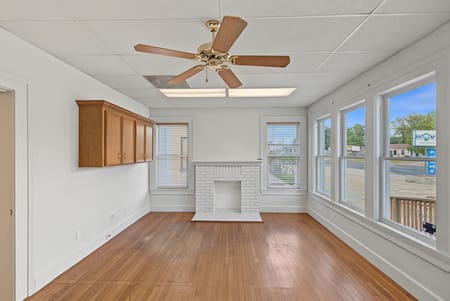
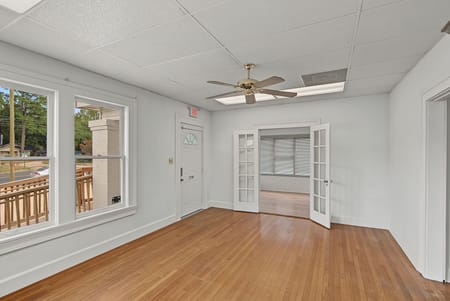
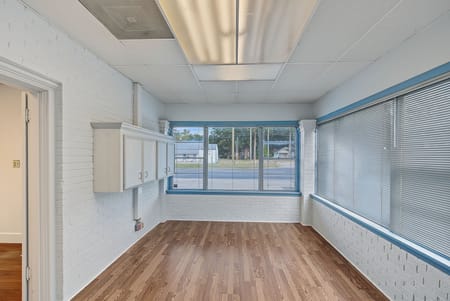
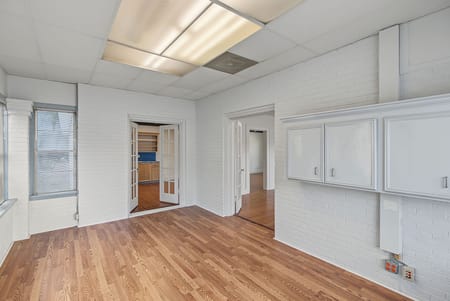
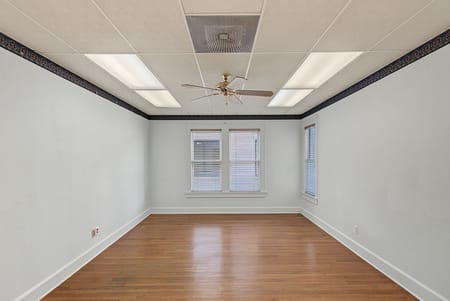
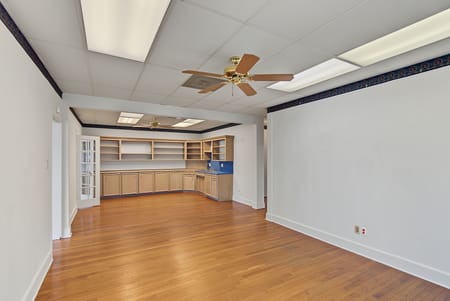
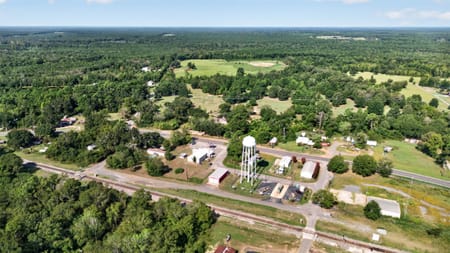
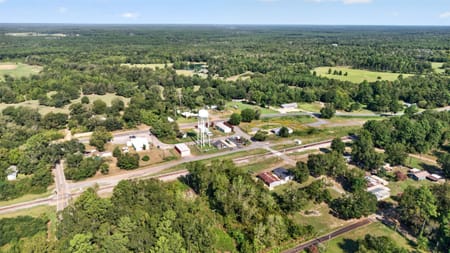
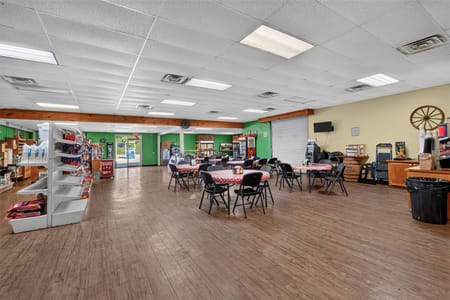
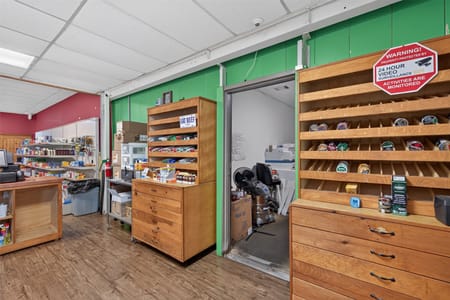
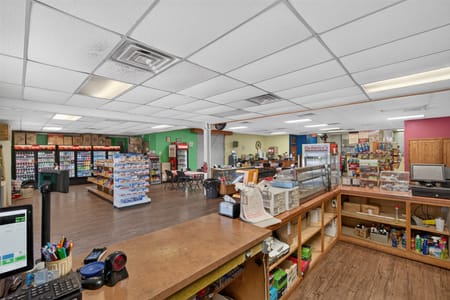
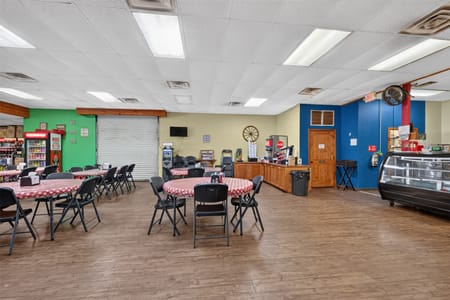
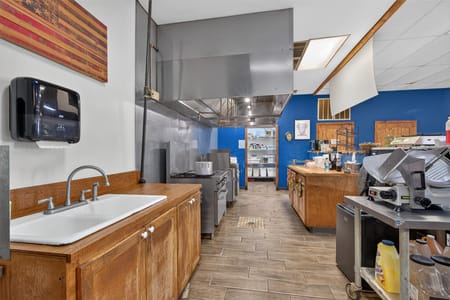
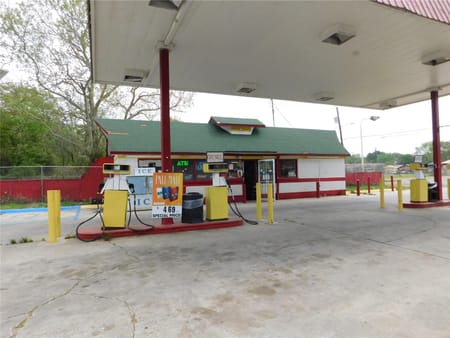
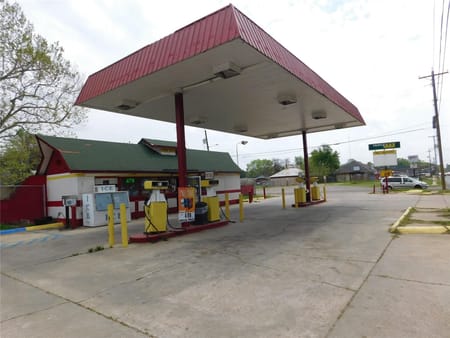
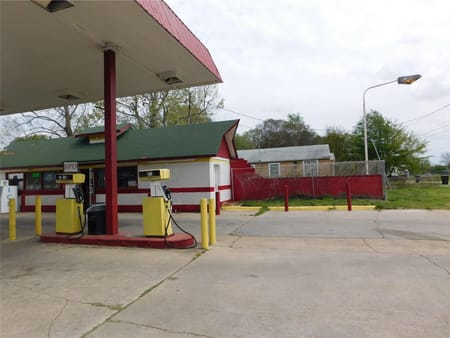
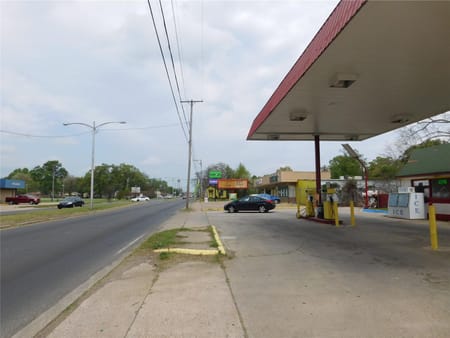
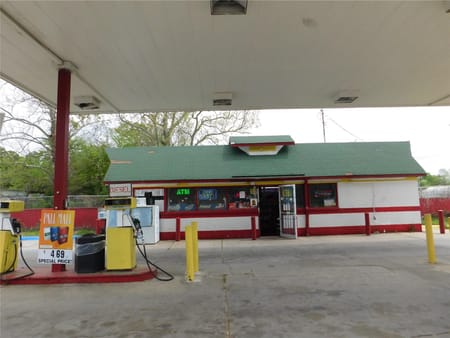


Louisiana commercial lease options include retail, office, and industrial space in urban hubs and small towns. These listings give businesses the flexibility to expand in key communities without needing full property ownership. The market supports a range of industries and offers access to road networks and local workforce. Commercial lease opportunities across the state are suitable for growing operations looking for adaptable commercial space.
Frequently Asked Questions
What commercial lease structures are common on Louisiana agricultural land?
Louisiana agricultural land leases feature state-specific structures tied directly to the unique crops and industries that dominate the local farm economy:
- Sugar Cane Land: Located in south-central parishes like St. Mary, Iberia, Terrebonne, and Assumption, this ground is leased to cane farmers under multi-year agreements (typically 3 to 5 years) at annual rates of 80 to 150 dollars per acre for productive alluvial ground. The farmer delivers harvested cane to a cooperative mill and receives payment based on recoverable sugar, then remits cash rent to the landowner, giving the owner excellent income predictability.
- Rice & Crawfish Dual-Use Land: Found in the Cajun Prairie, this ground leases for 60 to 100 dollars per acre annually, with the tenant managing both the rice crop and the crawfish pond cycles.
- Timberland: Located in north Louisiana, timber tracts are typically leased to timber companies under 10 to 20-year agreements that pay annual per-acre fees plus severance payments when timber is actively harvested.
Can a Louisiana hunting and fishing camp generate rental income as a commercial lease property?
Yes, and the income potential in the right location is highly meaningful.
- Coastal Marsh Duck Camps (Cameron / Vermilion Parishes): Properties with established blind infrastructure, boat access, documented bird counts, and clean sleeping facilities rent to out-of-state hunting clubs for 2,000 to 5,000 dollars per weekend during the November through January duck season. This translates to 20,000 to 75,000 dollars annually in gross rental income on a property purchased for 200,000 to 500,000 dollars.
- Whitetail Deer Camps (Tensas / Madison Parishes): Featuring bottomland hardwood access and documented buck harvest records, these camps rent for 1,500 to 4,000 dollars for 3-day guided or self-guided hunts during November and December.
- Toledo Bend Fishing Camps: These locations rent for 800 to 2,000 dollars per weekend to bass tournament anglers.
These rental structures perform best as commercial lease operations when the property leverages a formal guest reservation system, proper amenity infrastructure, and a documented track record of income that can be verified by a buyer.
How do sugar cane land leases work in Louisiana and what income do they generate?
Sugar cane land leases in Louisiana operate differently from most agricultural leases because production is tied directly to regional cooperative sugar mills. A landowner in St. Mary, Iberia, or Terrebonne Parish leases their land to a cane farmer under a multi-year agreement of 3 to 5 years at a cash rent rate of 80 to 150 dollars per acre annually for productive alluvial ground.
The structural and geographical parameters of these leases include:
- The cane farmer handles all production, harvesting, and mill delivery, and the landowner receives a stable annual cash rent payment completely insulated from farming and crop yield risks.
- The cane acreage must sit within an economical hauling distance of a cooperative mill because cane deteriorates rapidly after harvest and cannot be transported long distances.
- Mills in the New Iberia, Jeanerette, and Franklin areas maintain specific service territories, and land within their boundaries has immediate access to this lease market.
Homeland Properties agents with Louisiana commercial experience can identify which specific parcels sit within active cane mill territories and outline current lease rates for each area.