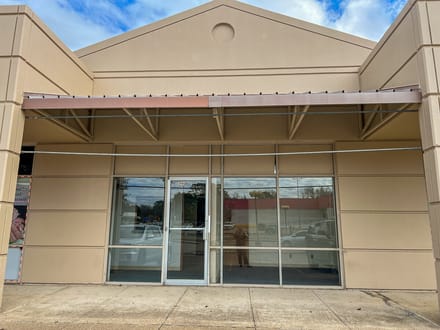
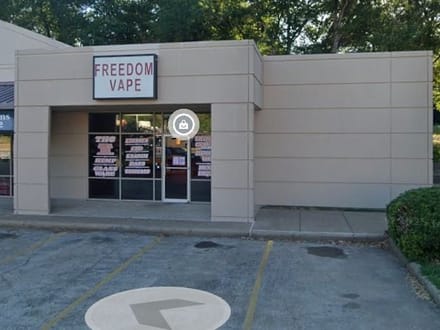
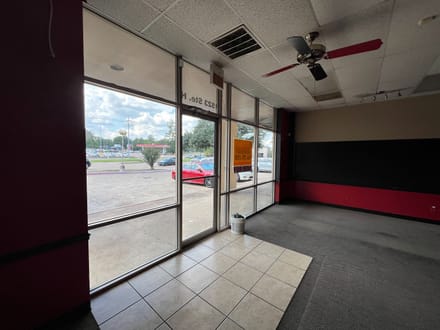
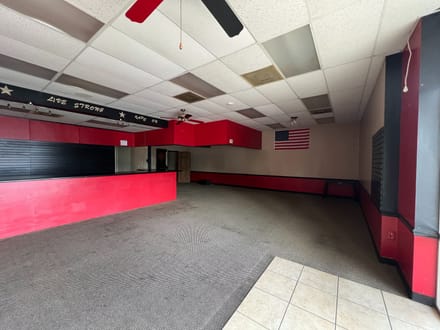
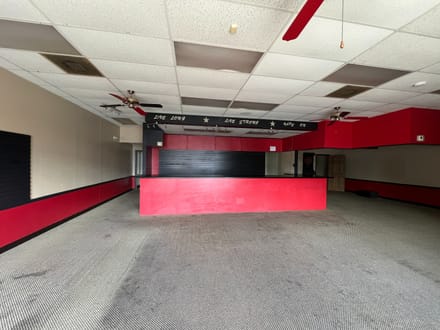
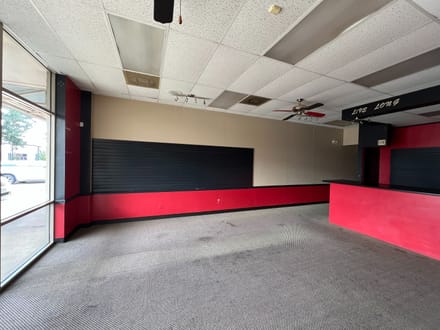


Commercial lease listings include retail, office, and industrial space in both urban and rural areas. These properties are ideal for businesses looking to expand or relocate without purchasing full ownership. With flexible lease terms and access to key markets, commercial lease properties offer functional solutions for a wide range of industries. They are suited for both startups and established companies needing efficient space.
Frequently Asked Questions
What types of commercial leases does Homeland Properties handle on rural land?
Commercial leases on rural land through Homeland Properties cover several different income-producing categories:
- Agricultural Land Leases: Farm operators leasing wheat ground in Oklahoma, rice and sugar cane fields in Louisiana, and row crop and hay land in Texas under annual or multi-year cash agreements.
- Hunting Leases: Commercial income leases where landowners rent seasonal access to deer, duck, dove, or turkey hunters, typically on one-year renewable terms.
- Wind & Solar Energy Ground Leases: Large Texas and Oklahoma acreage generating long-term income from renewable energy developers under 25 to 40 year contracts.
- Oil & Gas Surface Use Agreements: Income generated when drilling or pipeline operators need access to your land, regardless of whether you own the minerals underneath.
Homeland Properties helps both landlord sellers who want to sell income-producing lease properties and buyers who are looking for land with existing, documented lease income already in place.
What cash rent rates are typical for agricultural land leases in these three states?
Cash rent rates vary considerably by state, crop type, and soil productivity. Typical ranges include:
- Oklahoma: Winter wheat ground in Garfield and Grant counties rents for 20 to 50 dollars per acre annually depending on yield history. Native grass cattle range in central Oklahoma runs 10 to 20 dollars per acre for seasonal grazing rights.
- Texas: Dryland grain and cotton ground in the Rolling Plains runs 15 to 35 dollars per acre. Bermuda hay meadows in East Texas and the Gulf Coast run 30 to 60 dollars per acre. Irrigated Panhandle corn and cotton ground with good Ogallala water depth can reach 80 to 150 dollars per acre.
- Louisiana: Rice and crawfish dual-use ground in the Cajun Prairie leases for 60 to 100 dollars per acre. Sugar cane ground in the south-central parishes under long-term cooperative agreements runs 80 to 150 dollars per acre on deep alluvial soil.
In a cash rent structure, the landowner bears no farming risk; the tenant farmer pays a flat rate per acre regardless of crop yields.
What are wind and solar lease rates on Texas and Oklahoma land?
- Wind Energy Leases: Sited in the Texas Panhandle and Rolling Plains where the wind resource is strongest, these run 4,000 to 8,000 dollars per turbine per year under long-term contracts of 25 to 40 years. A 1,000-acre Panhandle ranch with three turbines generates 12,000 to 24,000 dollars annually while cattle and farming operations continue around the turbine footprint. Oklahoma wind leases in western and Panhandle counties follow similar economics.
- Utility-Scale Solar Leases: Sited on large, flat acreage in South-Central Texas and the Trans-Pecos, these generate 500 to 1,200 dollars per acre per year under multi-decade agreements. This is for ground that would otherwise produce just 30 to 50 dollars per acre in standard grazing lease income.
The combination of a lower initial land cost and steady energy lease income can make a Texas or Oklahoma land investment perform much better on a yield basis than underlying agricultural income alone would justify.