Growing fruit trees in East Texas makes perfect sense when you consider what the region offers. The humid subtropical climate creates ideal conditions for many fruit varieties that struggle in other parts of Texas. You get 35 to 50 inches of rain each year, which means less irrigation stress on your trees. The naturally acidic soil works well for many fruit species, and the mild winters provide just enough chill hours for good fruit production.
Small-scale growers and weekend farmers find East Texas particularly rewarding for fruit growing. The longer growing season and consistent moisture give trees a better chance to establish strong root systems. Many varieties that need regular watering elsewhere can rely more on natural rainfall here. This region has been producing quality fruit for generations, from backyard gardens to small commercial orchards.
Best Fruit Trees for East Texas
Peach Trees
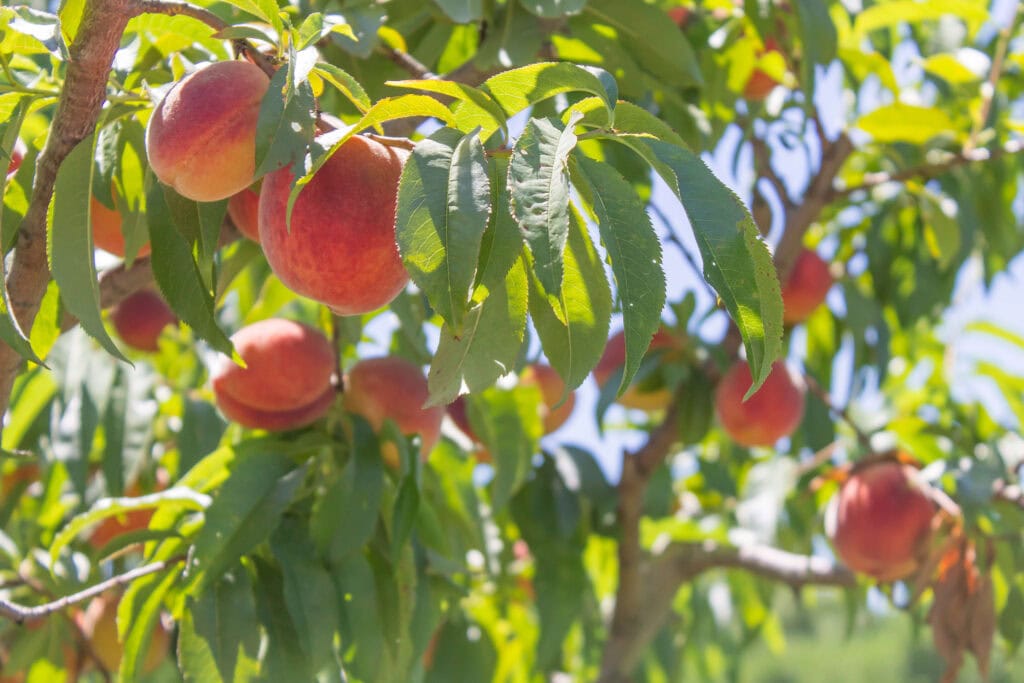
Peaches are probably the most popular fruit tree choice for East Texas gardens. They handle the humidity better than you might expect and produce reliably with proper care. Varieties like Elberta and Red Globe have proven themselves over many years in this climate. The key is choosing varieties that can handle both the wet springs and hot summers.
- Plant in full sun with well-drained soil to prevent root rot.
- Prune annually in late winter to maintain good air circulation.
- Thin fruit when young to prevent branch breakage and improve size.
- Watch for brown rot and treat early if spotted.
Plum Trees
Plum trees adapt really well to East Texas conditions and tend to be lower maintenance than peaches. Methley plums are particularly good because they pollinate themselves and other plum varieties. These trees can handle the extra moisture and still produce good crops even in less-than-perfect conditions.
- Plant where they get morning sun but some afternoon shade in summer.
- Space trees properly to allow air movement between them.
- Most varieties need cross-pollination, so plant at least two different types.
- Harvest when the fruit gives slightly to pressure for the best eating quality.
Pear Trees
Orient pears top the list for East Texas because they resist fire blight better than most varieties. Pear trees can live and produce for decades with minimal care once established. They handle wet springs better than stone fruits and rarely have major pest problems.
- Choose fire blight-resistant varieties for long-term success.
- Plant two different varieties for proper pollination and better fruit set.
- Avoid heavy nitrogen fertilizing, which encourages fire blight.
- Prune lightly to maintain shape, but do not over-prune.
Fig Trees
Figs might be the easiest fruit tree you can grow in East Texas. They tolerate poor drainage better than most fruits and can handle drought once established. Celeste and Alma varieties have proven cold hardy even when temperatures drop into the teens.
- Plant in spring after the last frost for best establishment.
- Mulch around trees to keep roots cool and moist.
- Harvest figs when they feel soft like a ripe banana.
- Prune out freeze-damaged wood in early spring.
Pomegranate Trees
Pomegranates handle East Texas heat and humidity surprisingly well as long as drainage is adequate. They bloom late enough to avoid most frost damage and attract beneficial insects with their bright red flowers. The fruit ripens in late fall when most other fruits are finished.
- Choose a sunny location with decent air circulation.
- Water regularly the first year, and then they become quite drought tolerant.
- Harvest when the fruit makes a metallic sound when tapped.
- Minimal pruning needed except to remove suckers.
Persimmon Trees
Both American and Asian persimmons do well in East Texas. American persimmons are completely cold hardy, while Asian types like Eureka produce larger, sweeter fruit. These trees require very little pest control and rarely have serious disease problems.
- Plant in fall or early spring for best root development.
- American types need both male and female trees for fruit production.
- Asian varieties like Eureka are self-fertile but produce more with a pollinator.
- Let fruit ripen completely on the tree for the best flavor.
Apple Trees (Low-Chill Varieties)
Growing apples in East Texas requires selecting varieties bred for mild winter areas. Gala and Jonagold can work, but need careful variety selection. Look for types that need 400 chill hours or less to fruit properly in this climate.
- Choose varieties specifically rated for low-chill areas.
- Plant in areas with good air drainage to reduce disease pressure.
- Most varieties need cross-pollination with another apple variety.
- Select disease-resistant varieties when possible for better long-term success.
Starting Your Fruit Tree Project
Growing fruit trees successfully really comes down to having the right property. When you look at land for sale in East Texas, think about drainage first since fruit trees hate wet feet. You also want enough space for trees to reach their full size without crowding each other or your house. Some protection from harsh winds helps, too, but you still need good air circulation. HomeLand Properties helps people find land for sale that has these qualities, giving your future orchard the best shot at producing fruit for years to come.